Not another form. Mostly checkboxes. About ten minutes.

So the next adult doesn't have to guess.

For whoever has your child next — a teacher, a coach, a therapist, a sub, a camp counselor, the grandparent doing pickup.

You tick what fits. We write it. One page they'll actually read.

$19, one time. One child, every version, forever. No subscription.

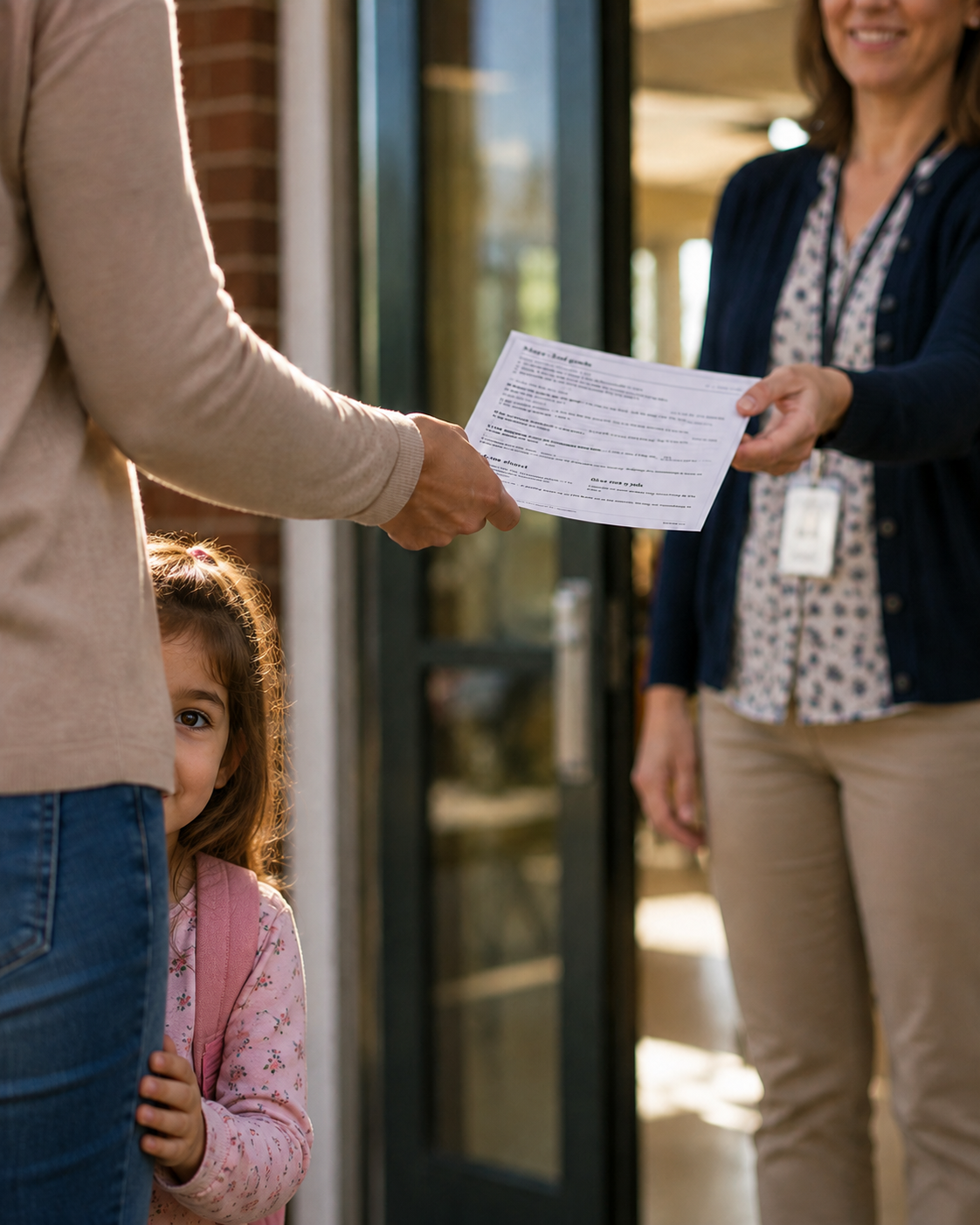
A parent hands a card to a teacher at the school door while their child looks out from behind them.

Somewhere between fine and a diagnosis

There's a kind of kid who doesn't fit anywhere. Not enough of a problem to qualify for help. Not enough like everyone else to be left alone. Every new adult who meets them is quietly hoping somebody else will figure them out.

And when nobody knows what to do with them, they get taken out of the room.

Out of the lesson. Off the field. Away from the group — the hallway, the office, the bench, the chair by the door, wherever they can be somebody else's problem for twenty minutes.

Inclusion isn't a box someone checks at the end of the day. It's whether the kid actually learned something. Actually trained. Actually played.

Most days the difference isn't a specialist, or a program, or money. It's whether the adult in the room knew three things before the day started.

This is what you hand over.

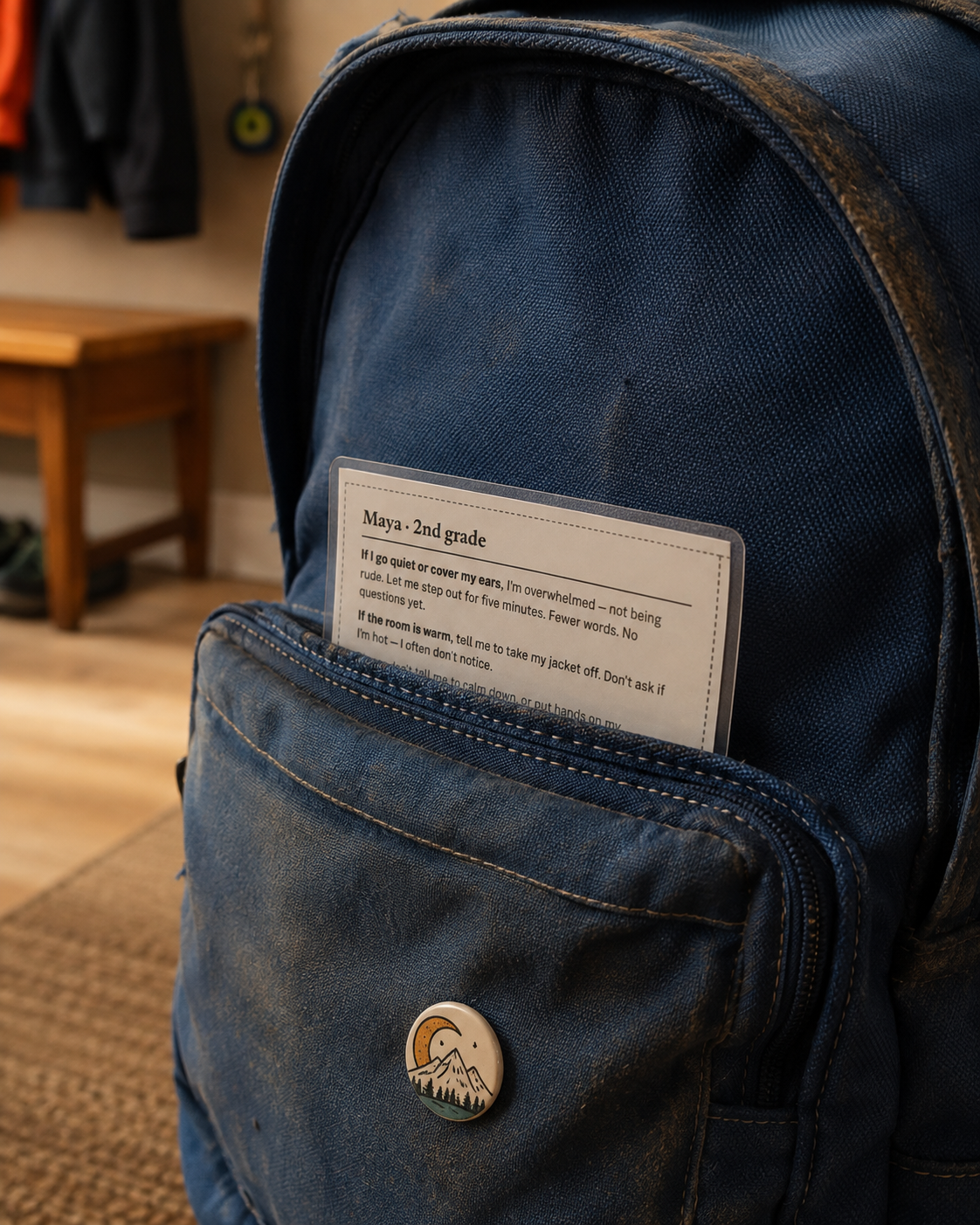
A laminated Linkiddo carry card peeking out of a child's backpack pocket.

The carry card — wallet-sized, eight to a sheet with cut guides. Same words, for a backpack pocket, a coat, or a sitter.

Every line here came from a checkbox. Maya isn't real. The card is.

Open this card full size

This is the kind of thing teachers tell us

"Alex put his shirt on and started crying. I figured he was being difficult — kid doesn't get his way, kid cries. I've seen it a hundred times.
Then I remembered the card in my desk drawer. Four lines down: he can't stand tags. I cut the tag out of the collar and he put the shirt back on. That was the whole thing.
It wasn't insight and it wasn't patience. Somebody had written it down."

A PE teacher. A real account, retold with names and details changed.

Read the whole thing ->
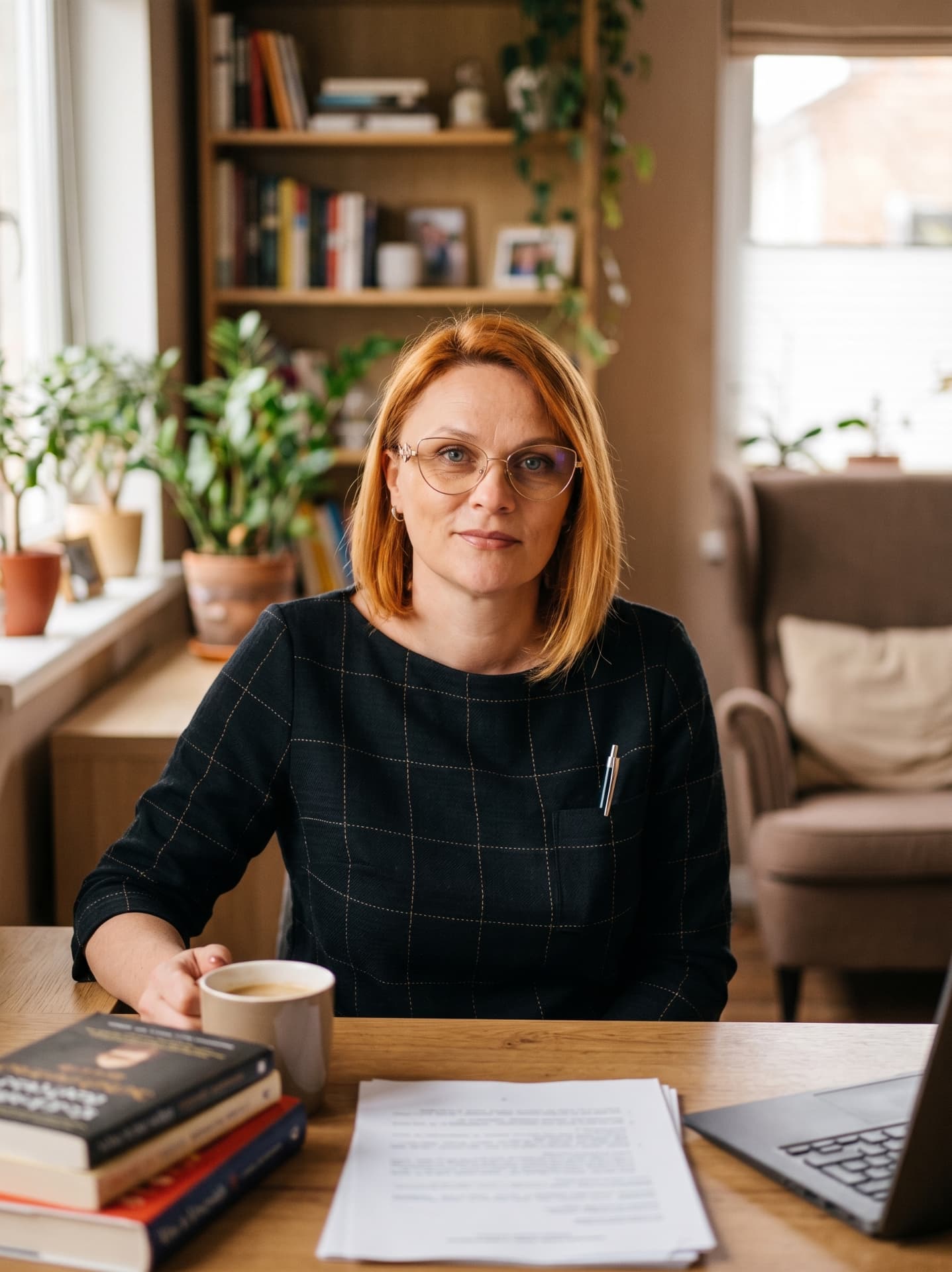
Sandra, the founder of Linkiddo, sitting at a desk with books, papers, a laptop and a cup of coffee.

The child gets passed back and forth while everyone seems to be saying, in one way or another: Maybe someone else can take this on.

But he is not a problem to be passed on.

Sandra — journalist, and mother of a boy who doesn't fit the boxes

Read the whole story.

How it works

  1. 1

    Tick what fits

    Mostly checkboxes. Skip anything that doesn't apply. Stop whenever you like — it saves as you go.

  2. 2

    We write it

    Your answers become plain, practical sentences. Nothing is invented and nothing is turned into advice.

  3. 3

    Look it over

    You see the card before it becomes a file. Change anything you want, or leave a section out.

  4. 4

    Hand it over

    Print it, or send the PDF. One page, and it takes fifteen seconds to read. Update it whenever something changes.

You don't write it. You recognize it.

Checked

  • Covers their ears
  • Let them step out for a few minutes
  • Fewer words
  • No questions yet

Written for you

“If I cover my ears — let me step out for a few minutes. Fewer words, and don't ask me questions yet.”

You can't always be there. What you know can be.

$19, one time. One child, every version, forever. No subscription.

We're new. If we've left something out, tell us what's missing.

A parent holds their young child in a warm hug at a kitchen table.